RED CROWNINTERACTIVELET'S BUILD
EN
Menu

Simulations, learning and interactive tools

Virtual reality
and augmented reality development

VR, AR and mixed reality applications for organizations, educational institutions and research teams. We combine scenario planning, 3D design and Unity development, adapting the result to the target hardware and operating conditions.

Loading the 3D model...
10+ Years of founder experienceWorking systems Used in teaching at the TechnionDirect collaboration From planning to deployment↓

Founder experience and projects

TechnionPhilipsPlaytikaTel Aviv UniversityIsraeli Navy

Relevant experience

VR and AR projects

Examples developed and deployed within Professor Dana's research group at the Technion, from interaction design to classroom use. Each project page describes its capabilities and development process.

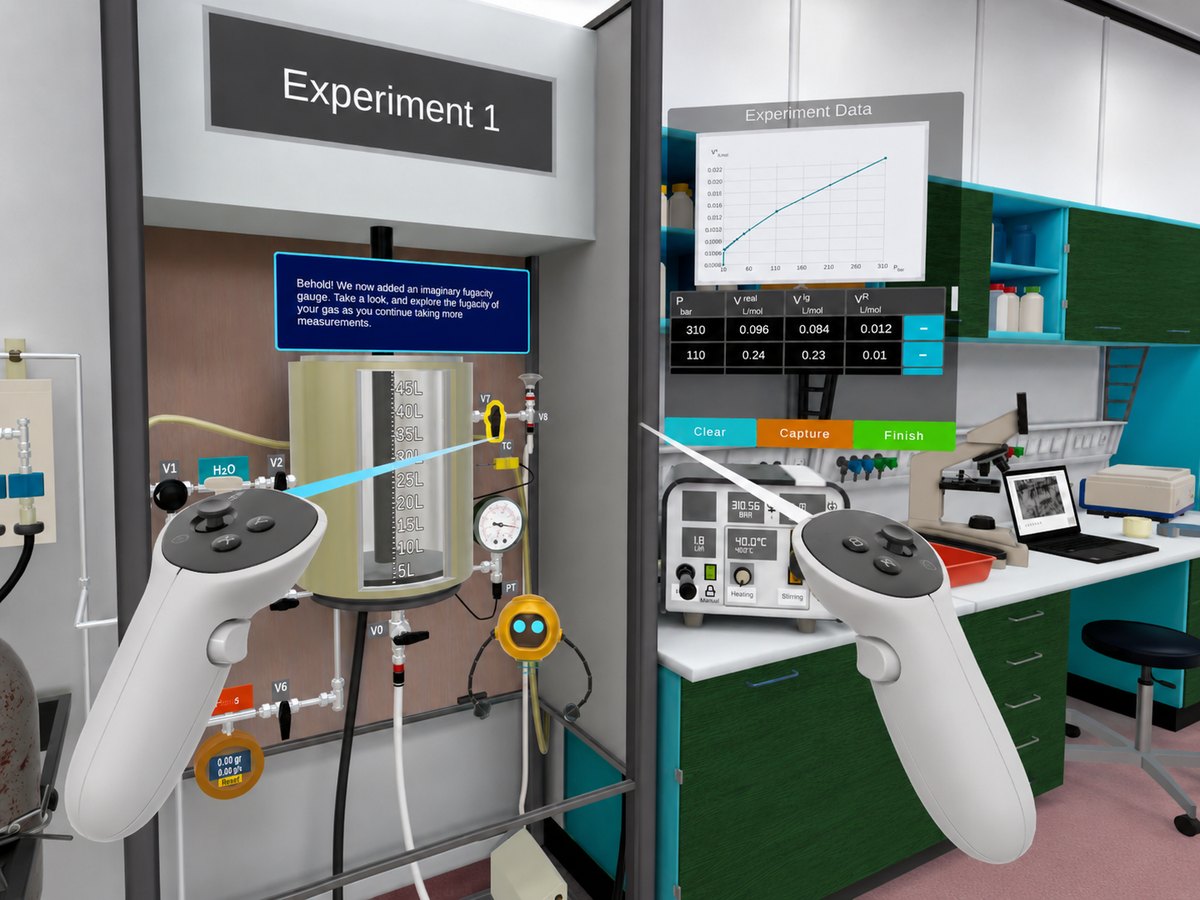
The virtual fugacity laboratory at the TechnionVIRTUAL REALITY

Used in Thermodynamics II at the Technion

Fugacity VR laboratory

An abstract thermodynamics concept becomes a practical experiment: operate equipment, read results and progress with a virtual instructor.

  • Up to 12 Headsets at once
  • Control and monitoring For the classroom instructor
Read the full case study ←
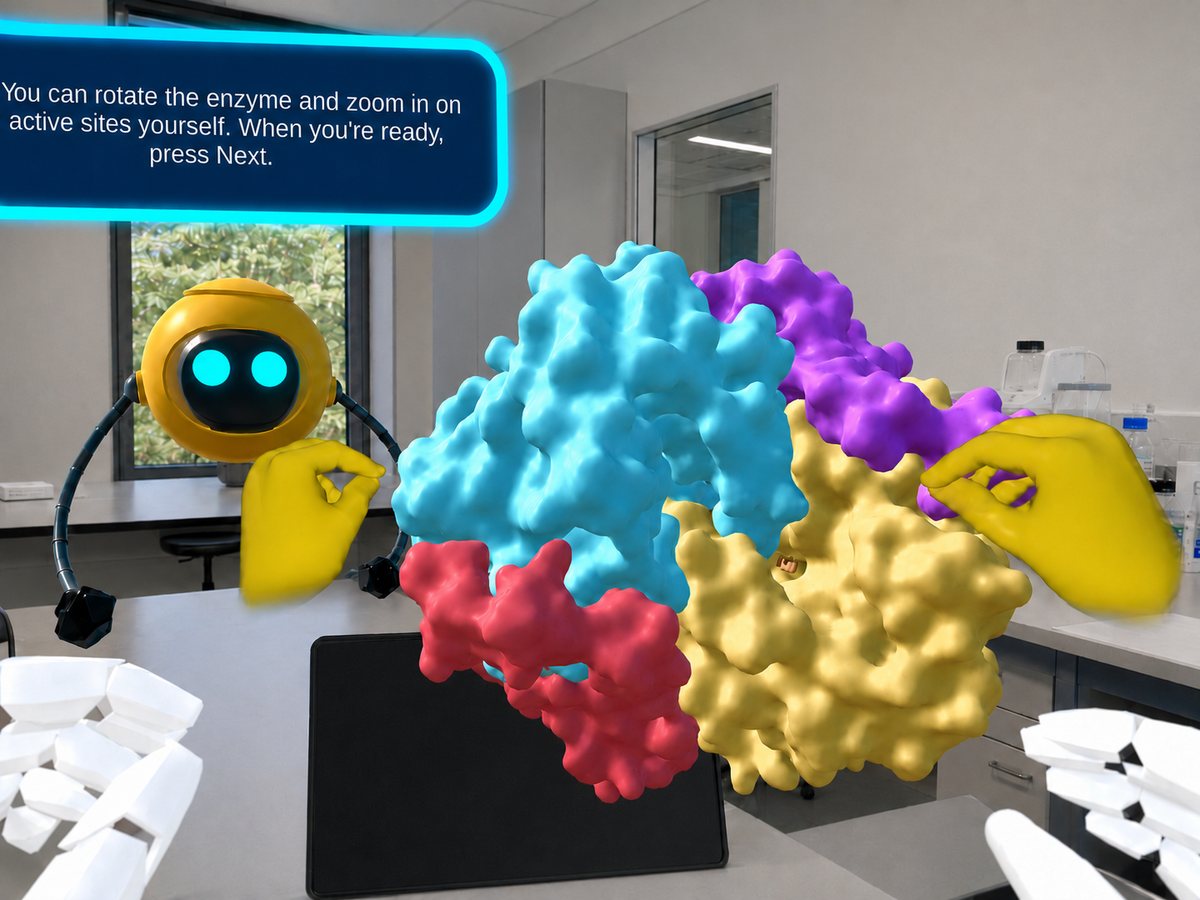
Mixed reality enzyme learning module with hand trackingMIXED REALITY

Used in the Faculty of Chemical Engineering at the Technion

Mixed reality enzyme learning module

Molecular models appear in the real room. Rotate, enlarge and explore them with your hands, guided by Robi throughout the experience.

  • Hand interaction No controllers
  • Hebrew and English Guided by Robi
Read the full case study ←
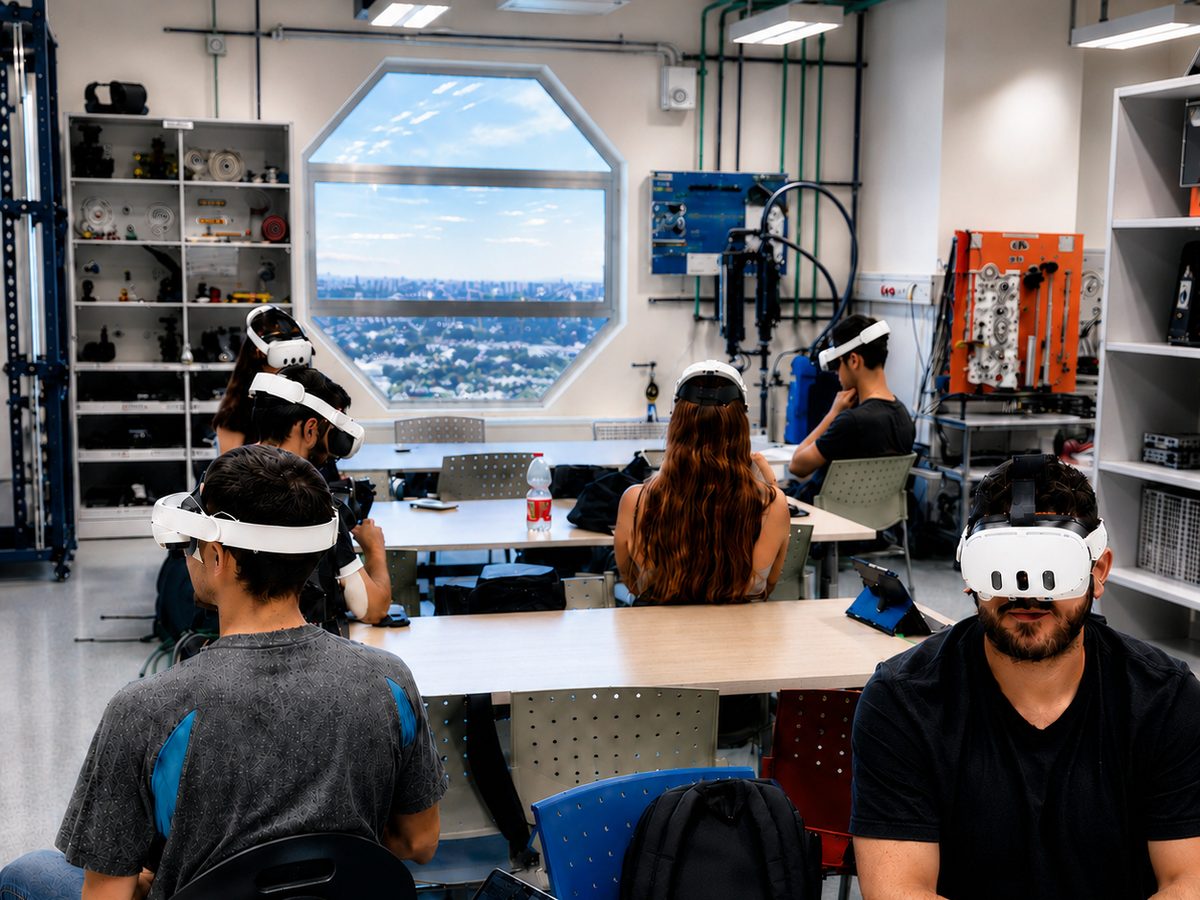
VR classroom at the Technion with learners using Meta Quest headsetsMETA QUEST CLASSROOM

VR classroom at the Technion

Setting up a Meta Quest classroom at the Technion

A classroom with up to 12 Meta Quest 3 headsets and tablets for instructor monitoring. The work included hardware selection, space planning, device setup, app distribution and pre-launch testing.

  • Up to 12 Headsets with tablets
  • Centralized operation Tools for the training team
Read the full case study ←

A pilot before expanding the system

Start with a defined scenario on the target hardware, test it with users and decide which capabilities to develop next.

Arrange a consultation ↓

Service scope

Choosing the development environment

The choice between VR, AR and mixed reality starts with the task: a fully virtual environment, a product shown in an existing space, or models used alongside the physical world.

01 / VR

Virtual reality simulations

Environments for practicing operations, procedures and decisions. We define the sequence of actions, system responses and information the instructor needs.

02 / AR

Augmented reality product visualization

Display a product model in the real environment using a phone or headset. Scale, detail and interactions are adapted to the intended presentation.

03 / MR

Mixed reality learning and exploration

Applications that integrate digital models into physical space. Users can explore structures and processes with hands or controllers, depending on the hardware.

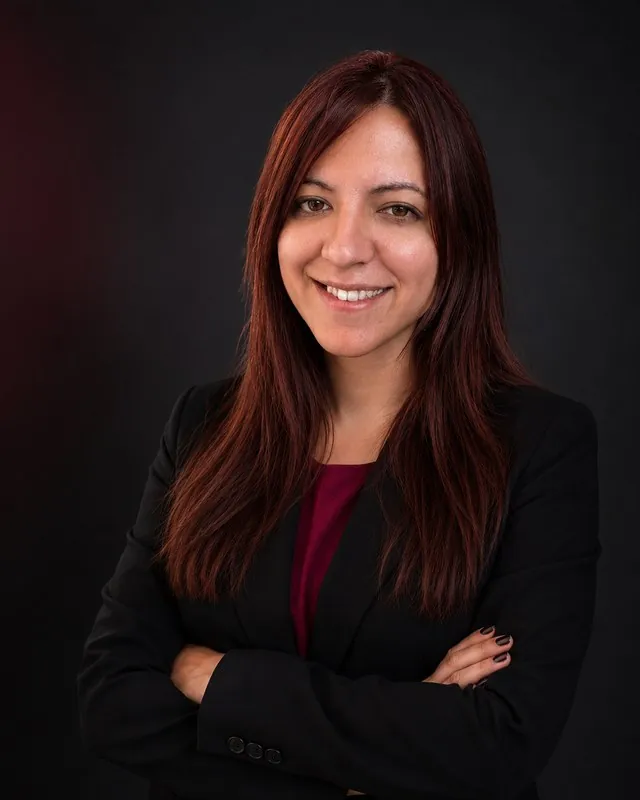
Yulia Pavlov, founder and lead engineer at Red Crown Interactive
Yulia PavlovFounder and lead engineerLinkedIn ↗

Professional leadership

Management and development
Led by Yulia Pavlov

More than a decade of software and real-time 3D development in industry and research.

Yulia leads planning, design and development. Specialists join as the project requires, with one clear point of contact for you.

B.Sc Software engineering, TechnionMBA Tel Aviv University

Project stages

How we work

01

Define the scenarios

What users need to do, who they are and how we measure success.

Deliverable: requirements and project boundaries
02

Prototype on target hardware

A focused prototype to test the experience on the target hardware.

Deliverable: an initial experience to test
03

Development and testing

Code, 3D and interface built as one system.

Deliverable: a system with the agreed scenarios
04

Handover and deployment

Testing, handover and support until the system works in its real setting.

Deliverable: a system ready for operation and training

Before we start

Frequently asked questions

How much does VR or AR development cost?

Pricing depends on the number of scenarios, 3D complexity, interactions and integrations. Equipment, deployment and support requirements are also defined so the estimate covers the full scope.

How long does VR or AR development take?

The timeline depends on content volume, interaction complexity and integrations. We set milestones around the scope and provide testable versions throughout development.

How can we start a VR or AR project without committing to full development?

Start with a free consultation. If a pilot is appropriate, we define its scope, deliverables and success criteria. The pilot is a paid stage, after which you decide how to continue.

How do we know the system provides value?

We define what users should be able to do. A pilot can assess action sequences, errors, completion time or understanding of a concept. We choose measures suited to the goal and users, then use the findings to decide what to improve or expand.

What is the difference between VR, AR and mixed reality?

VR puts the user in a virtual environment. AR adds digital content to the real world, for example through a phone. Mixed reality integrates content into physical space and allows interaction with hands or controllers. We choose according to the user's task.

Do we need headsets, and which platforms do you develop for?

VR and mixed reality experiences use headsets such as Meta Quest 3. AR can also run on iOS and Android. If desktop or web is a better fit, we consider those too. Hardware selection and equipment scope are part of project planning.

What does VR or AR system handover include?

We agree on the application version, target hardware, installation method and staff training. Equipment procurement, device distribution, source code and post-handover support are priced and defined within the project scope.

The next step

Let's discuss
your project

Tell us who the system is for and what users should be able to do. An early idea is enough.

  • Match the need to VR, AR or another solution
  • Choose a platform and first scenario
  • Define the next step toward planning or a pilot

We usually reply by email within one business day.

Your details are used only to contact you about the project.